
Electrical Training in the UK
Who is electrical training for? Three audiences: non-electricians needing safety / awareness / isolation training under EAWR 1989; working electricians needing 18th Edition, 2391 or Part P refreshers; and career-changers training to become qualified via Level 2, Level 3 and the JIB Gold Card. We deliver all three at our Cheshunt centre.
Whether you need a one-day electrical safety briefing for your facilities team or a full pathway to qualified electrician, our City & Guilds and EAL accredited centre in Hertfordshire delivers training that is recognised UK-wide.
Free class visit for the main electrician pathway routes.
since 2021
Sezai's industry experience
per class
Liverpool Street
Six tiers of electrical training, three audiences
Electrical training is not one product — it is a stack of six tiers, each mapped to a different audience and a different legal duty under the Electricity at Work Regulations 1989. Pick the tier that matches the work being done, not the job title.
Safety & awareness
Compliance & refreshers
Career qualifications
Which type of electrical training do you actually need?
The honest answer depends on what you do, not what you are called. A maintenance engineer who steps into the plant room once a month needs different training to a domestic electrician who runs their own scheme-provider registration. Match the duty, not the job title.
| If you... | You need | Tier | Time | Refresh |
|---|---|---|---|---|
| Sit at a desk in a plant-equipped building | Electrical awareness e-learning | Tier 1 | 1-3 hrs | Annually |
| Manage a facilities or maintenance team | Basic electrical safety + isolation | Tier 2-4 | 1-2 days | 2-3 years |
| Work as a qualified electrician | 18th Edition + 2391 + Part P | Tier 5 | 3-5 days each | 3-5 years |
| Control electrical work on a commercial site | Authorised Person LV / HV | Tier 6 | 2-4 days | 1-3 years |
| Want to become a qualified electrician | Level 2 + Level 3 + 18th + 2391 + NVQ | Career | 12-24 months | CPD ongoing |
Lost? Book a free 15-minute consultation — we will map your role to the right tier and honest cost in writing.
Every electrical training course we run
Eight live qualifications delivered at our Cheshunt centre, every one accredited by City & Guilds or EAL and counting toward recognised UK electrical qualifications. Pick the one that fits your goal — or book a free consultation and we will map a pathway with you.
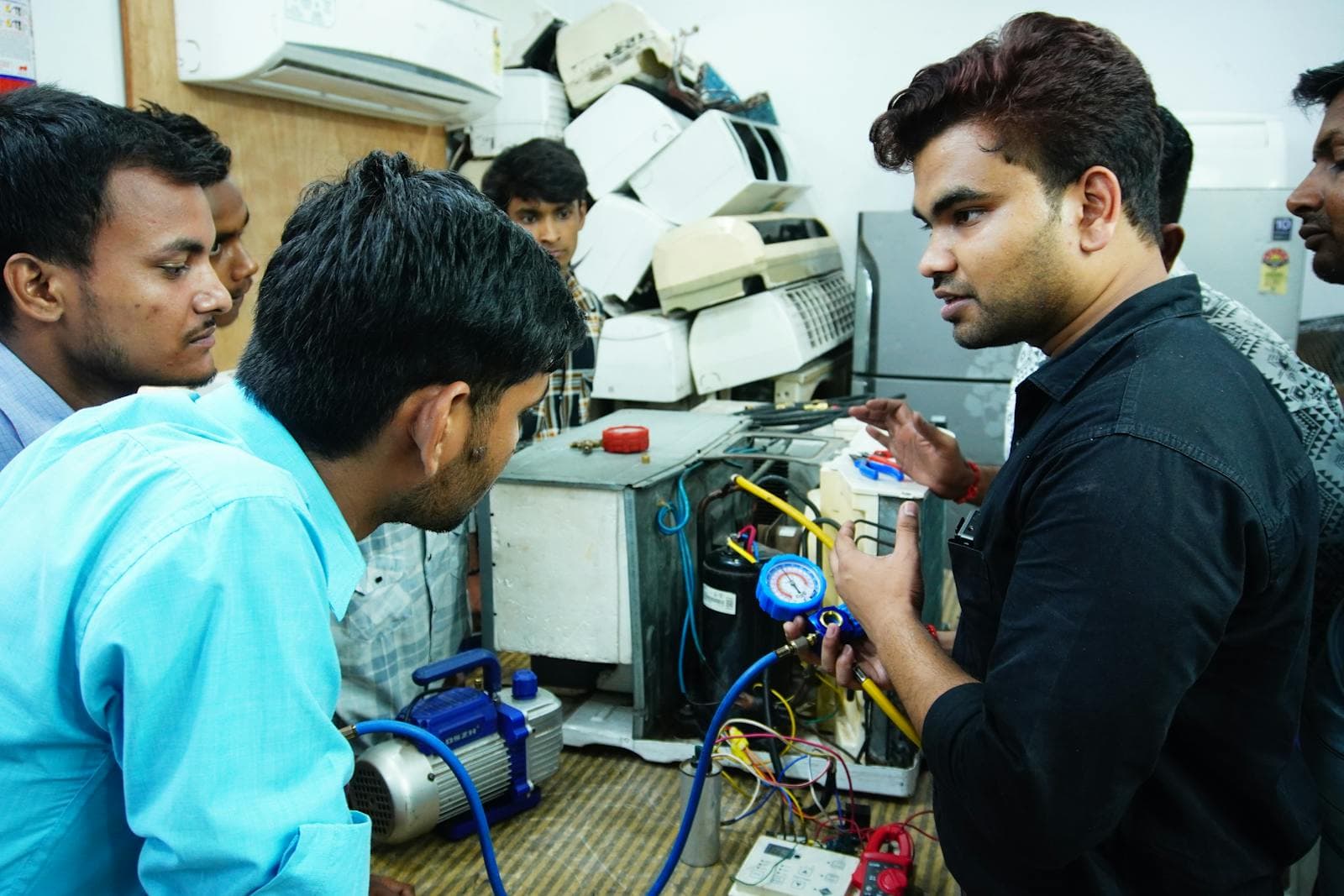
Basic Electrical Course
For absolute beginners. Theory, safe isolation and the fundamentals before a Level 2 diploma. Often booked as a confidence-builder by career changers.
18th Edition Wiring Regulations
The current Wiring Regulations qualification — essential for any working electrician. Covers Amendment 4 (2026) and the latest BS 7671 requirements.
Inspection & Testing
City & Guilds 2391 covering initial verification, periodic inspection and the combined 2391-52. The qualification recognised for issuing EICRs.
Part P Building Regulations
Building Regulations knowledge for qualified electricians and allied trades, covering notification, Building Control and separate scheme-registration routes.
Level 2 Electrical Installation Diploma
City & Guilds 2365 Level 2 — the entry diploma for becoming an electrician. The first half of the Gold Card pathway, recognised UK-wide.
Level 3 Electrical Installation Diploma
City & Guilds 2365 Level 3 — the advanced diploma. Required before NVQ assessment and the JIB Gold Card. Full-time 7 weeks or part-time 14 weeks.
EV Charger Installation
City & Guilds 2921-34 — the qualification recognised by OZEV for installing domestic and commercial EV chargers. Covers Code of Practice and current regs.
Gold Card Route Electrician Course Package
The complete pathway — Level 2 + Level 3 + 18th Edition + 2391 + NVQ Level 3 portfolio — leading to the JIB Gold Card. Our flagship career-changer route.
Two things every other electrical training page in the UK skips
We have read a lot of “electrical training UK” pages — including, regrettably, our own past versions. Two questions come up on consultation calls every single week, and almost no provider answers them in writing.
Competence is verified, not assumed — and the employer is on the hook
Under EAWR 1989 Reg 16, the employer (the "duty holder") must verify each individual's competence — not just collect certificates. The HSE will ask to see witness sign-offs, dated assessments and supervisor records. The certificate on the wall is the start of the audit trail, not the end. Most providers will not tell you this because verification is the employer's job, not theirs.
Refresher cycles are the most-failed part of every audit
18th Edition refreshes every 3-5 years, AP authorisations every 1-3, awareness training every 2-3. Almost no UK employer has a system that tracks them centrally — the result, which we see constantly in B2B audits, is teams running on certifications that expired 18 months ago, with no one realising until an HSE inspection. Build a stale-date register. Or ask us for the template.
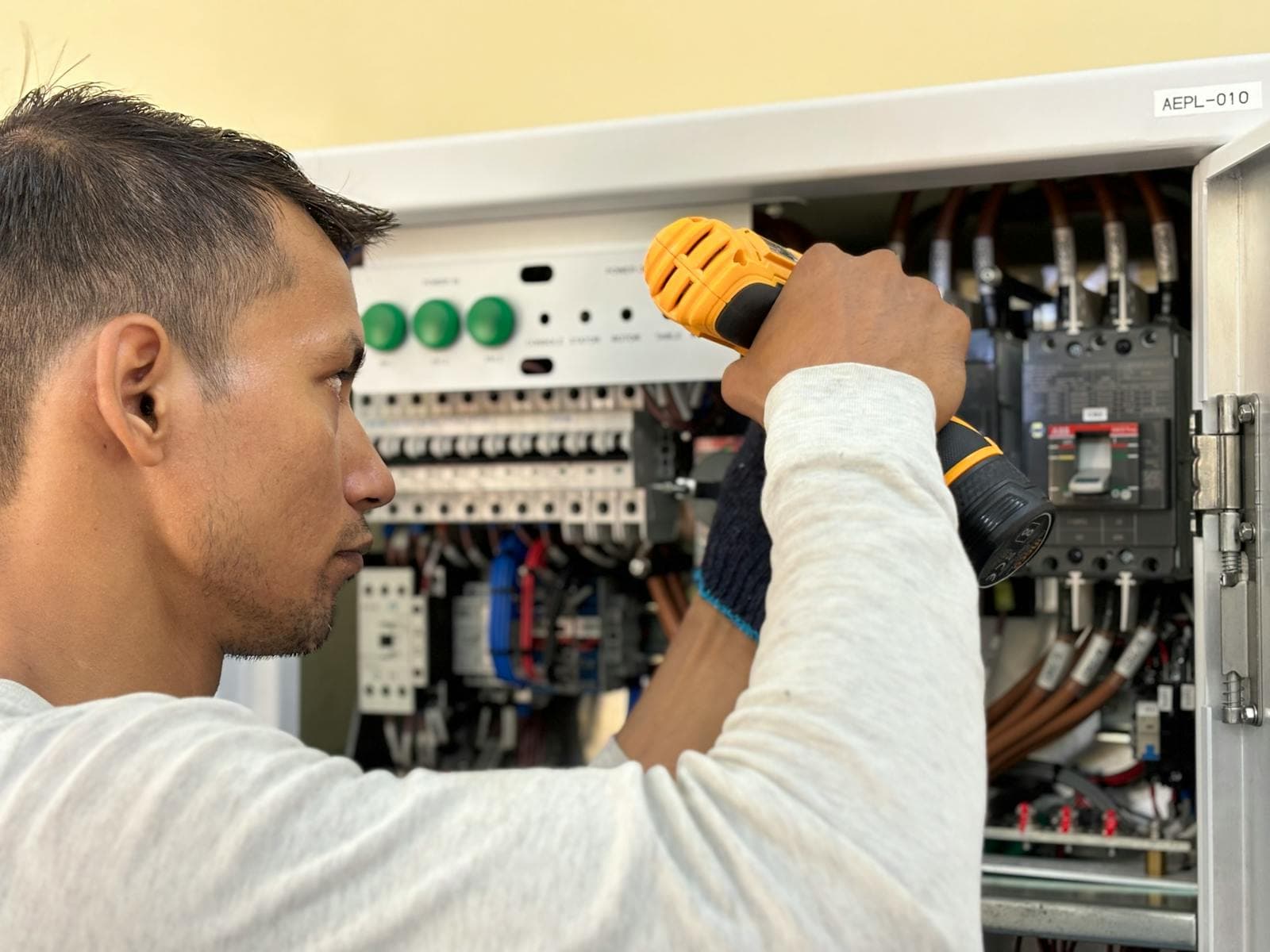
Founded by an electrician, run by his son
Learn Trade Skills launched in 2021 under Sezai Aramaz — who brought 40+ years of working as a qualified electrician on UK sites into the curriculum. The premise was simple: the qualification system existed to keep people safe, but most providers were teaching to the exam rather than to the job. Sezai built a centre where students wire real consumer units on day one and learn the regulations as the reason behind what they are doing — not the other way round.
It is now a family-run business at our Cheshunt centre — 1,000+ trainees through our doors, 4.8/5 on Google Maps, and a 16kWh trainee-built solar and battery storage rig that we use as a teaching aid for safe isolation, fault-finding and AP-prerequisite training. The kind of teaching aid you cannot replicate on a slide deck.
"A wired CU is supposed to outlast the person who installed it. Train people to that standard, and the rest of the industry catches up."— Sezai Aramaz, founder · LTS
Related guides & pathways
Three deep-dive guides for specific audiences, plus the part-time scheduling pillar for working students. Tolga personally writes most of these — they are longer, more honest and more opinionated than the average competitor write-up.
Electrical training — the eight questions you actually want answered
What is electrical training?+
Electrical training is any structured course that teaches the safe and competent use of electrical systems. It covers six tiers in the UK: awareness for office staff, basic safety for facilities teams, HSG85 awareness for site supervisors, isolation training, full City & Guilds compliance courses (18th Edition, 2391, Part P) for working electricians, and Authorised Person training for those who control electrical work.
How long does electrical training take?+
Awareness e-learning runs 1-3 hours. Basic safety classroom training is 1 day. Isolation training is 1 day. 18th Edition is 3 days. 2391 Inspection & Testing is 5 days. Authorised Person LV is 2-4 days. The full Level 2 + Level 3 + 18th Edition + 2391 + NVQ pathway to the JIB Gold Card takes 18-24 months part-time alongside work.
Do I need electrical training to work as an electrician in the UK?+
You must be competent for the electrical work you undertake. Notifiable work in dwellings must follow the applicable Building Control route or be self-certified by a business registered and assessed for that scope. A JIB Gold Card has separate qualification, workplace competence and assessment requirements; our Gold Card pathway is designed around that route.
Is electrical safety training a legal requirement?+
Effectively yes. Under the Electricity at Work Regulations 1989 and the Health and Safety at Work Act 1974, employers must ensure anyone working on or near electrical systems is competent. The HSE expects to see records: the training certificate, the awarding body, the date of last refresher, and the duty holder's verification of competence.
What does basic electrical training cover?+
Our Basic Electrical Course covers fundamentals every UK electrician needs before tackling Level 2: electrical theory, Ohm's law, circuit types, safe isolation, basic test instruments, cable selection and protective devices. Five days, EAL approved, ideal for absolute beginners and as a confidence-builder before starting a 2365 Diploma.
Can non-electricians take electrical awareness training?+
Yes. Electrical awareness and isolation training are designed specifically for non-electricians whose work brings them near electrical systems: facilities managers, maintenance teams, site supervisors and contractors. The aim is documented competence under the Electricity at Work Regulations 1989, not a trade qualification.
Where is your training centre?+
Our centre is in Cheshunt, Hertfordshire — a direct 30-minute train from London Liverpool Street and 5 minutes from M25 Junction 25, with free on-site parking. Launched in 2021 by Sezai Aramaz, who brings 40+ years of UK electrical industry experience. Students travel from London, Essex, Hertfordshire, Bedfordshire and beyond.
How much does electrical training cost in the UK?+
Tier 1 awareness e-learning: £15-£40. Basic Electrical Course (5 days): £699. 18th Edition (3 days): £489. 2391 Inspection & Testing (5 days): £1,199. Authorised Person LV: £600-£1,200. Full Gold Card Package: £9,249. Finance is available on selected fast-track 2365 routes.
Not sure which electrical training you need?
Book a free 15-minute consultation. We will map your role and your goal — career switch, compliance, safety briefing, EV upskill — to the right tier, with an honest timeline and cost. Sezai or one of our instructors will take the call.