EV Charger Installation Training: How to Become a Qualified Installer in 2026
By Tolga Aramaz··Updated 14 August 2026
EV Charger Installation Training: How to Become a Qualified Installer in 2026
> TL;DR — How do you become a qualified EV charger installer in the UK? You need the City & Guilds 2921 EV Charging Equipment Installation qualification, on top of a Level 3 electrical qualification and current 18th Edition (BS 7671) certificate. The 2921 is a 2-day course (£449 at LTS) covering BS 7671 + IET Code of Practice 5th Edition (2023). It is the OZEV-recognised qualification required for grant-funded EV charger installation work — across home, workplace and commercial sites.
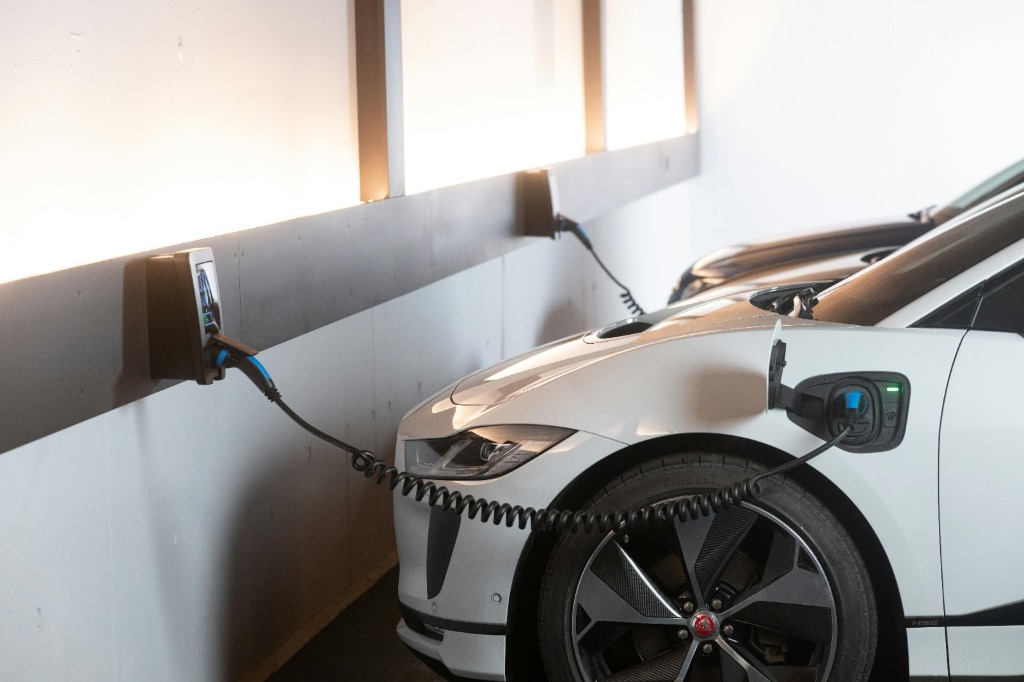
To install EV chargers in the UK, you need the City & Guilds 2921 EV Charging Equipment Installation qualification. This is a two-day course with a total price of £449 at LTS, requiring a Level 3 electrical qualification and current 18th Edition certificate as prerequisites. With the UK targeting over 300,000 public chargepoints by 2030, EV installation is one of the fastest-growing specialisms for qualified electricians.
Key Facts
Qualification: City & Guilds 2921 EV Charging Equipment Installation
UK EV chargepoints: Over 116,000 public chargers installed (January 2026)
Government target: 300,000+ public chargepoints by 2030
Why EV Charger Installation Is a Growth Market
The UK electric vehicle market is accelerating. The government's Zero Emission Vehicle (ZEV) mandate requires that 80% of new cars sold by 2030 must be zero-emission, with 100% from 2035. Every one of these vehicles needs charging infrastructure — at home, at work, and in public.
The numbers tell the story:
Over 116,000 public chargepoints were operational across the UK as of January 2026
The government is targeting 300,000+ public chargepoints by 2030 — nearly tripling the current number
Domestic installations are surging as homeowners with driveways install home chargers alongside solar PV and battery storage
Commercial demand from workplaces, retail parks, and hospitality venues continues to grow
The OZEV EV chargepoint grant (for flats and rental accommodation, replacing the older EVHS) and the Workplace Charging Scheme (WCS) provide grants that stimulate installations through OZEV-approved installers
For qualified electricians, adding EV charger installation to your skill set opens a dedicated revenue stream that will only grow over the coming decade.
What Is the City & Guilds 2921?
The City & Guilds 2921 (Award in Electric Vehicle Charging Equipment Installation) is the industry-standard qualification for EV charger installation in the UK. It covers the knowledge and practical skills needed to safely install, test, and commission domestic and commercial EV charging equipment.
What the Course Covers
EV charging technology fundamentals — charger types (Mode 1 through Mode 4), connector standards (Type 1, Type 2, CCS, CHAdeMO)
Electrical requirements — supply assessment, circuit design, cable selection, and protective device coordination for EV circuits
Earthing and bonding — specific requirements for EV charging installations, including PME earthing considerations
Installation practice — mounting, wiring, and connecting chargepoint hardware
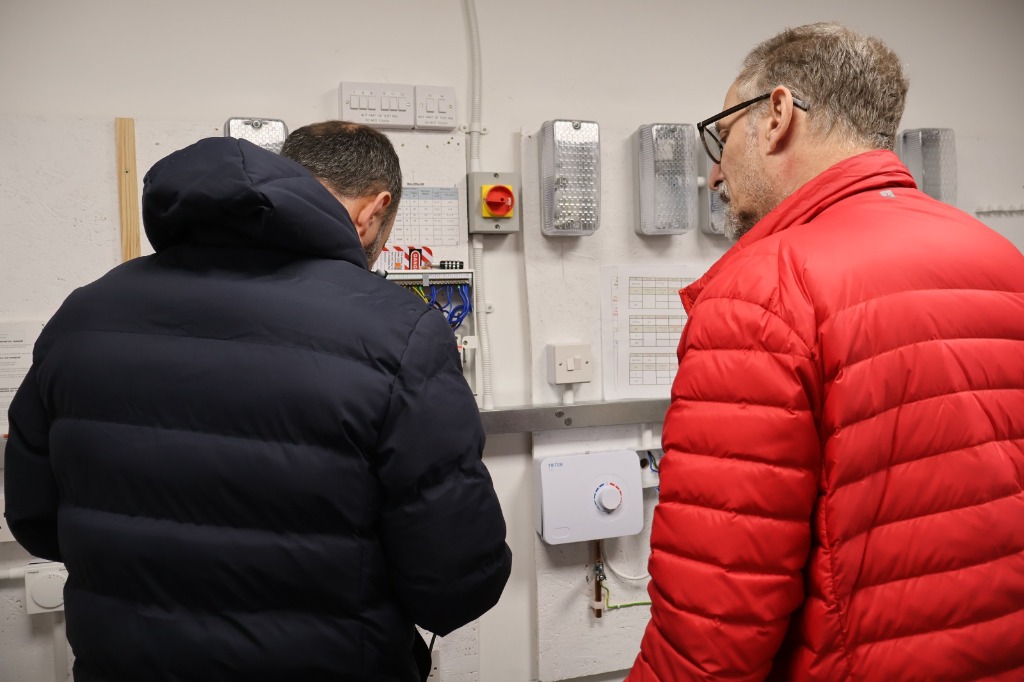
Testing and commissioning — verifying the installation meets BS 7671 requirements
Smart charging and load management — understanding how smart chargers manage demand and integrate with home energy systems
Relevant regulations — BS 7671 requirements, the IET Code of Practice for Electric Vehicle Charging Equipment Installation 5th Edition (2023), and Part P building regulations
How the Course Is Assessed
The 2921 qualification includes both theoretical assessment and practical demonstration. You must demonstrate competence in installing and testing EV charging equipment to the required standard.
What Are the Prerequisites?
The 2921 is an add-on specialism for qualified electricians. You must hold:
Level 3 electrical qualification (Level 3 Diploma 2365 or equivalent)
Current 18th Edition certificate (BS 7671:2018, including Amendment 3 — and Amendment 4 from October 2026)
If you do not yet hold these prerequisites, you will need to complete them first. At LTS:
Not sure where you sit on the route? The Electrical Training hub maps every UK electrical qualification — beginner to specialist — and the Courses catalogue lets you compare durations, prices and outcomes side-by-side. If you are already qualified, jump straight to the EV Charging 2921 course page.
Combining EV with Solar and Battery Storage
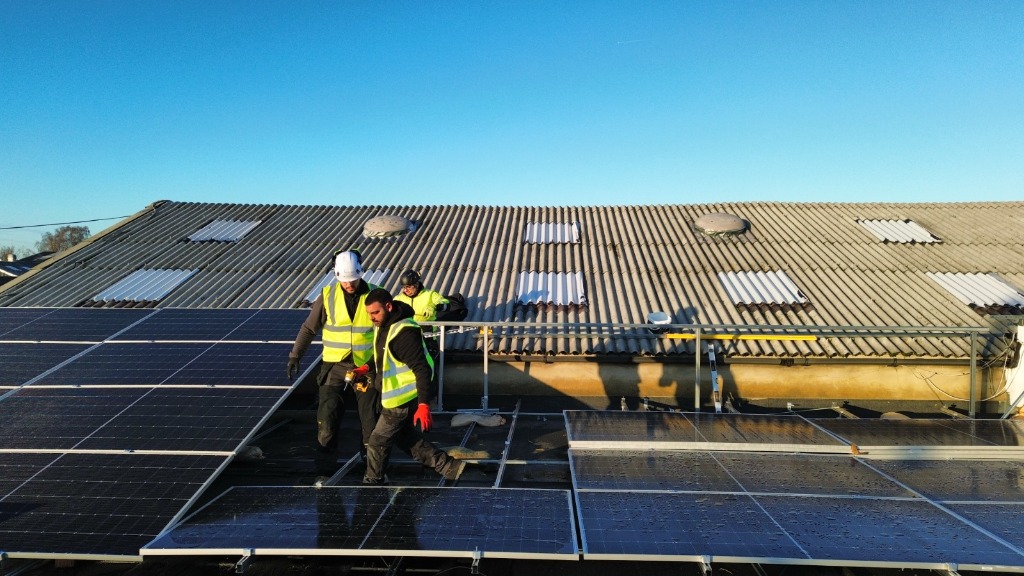
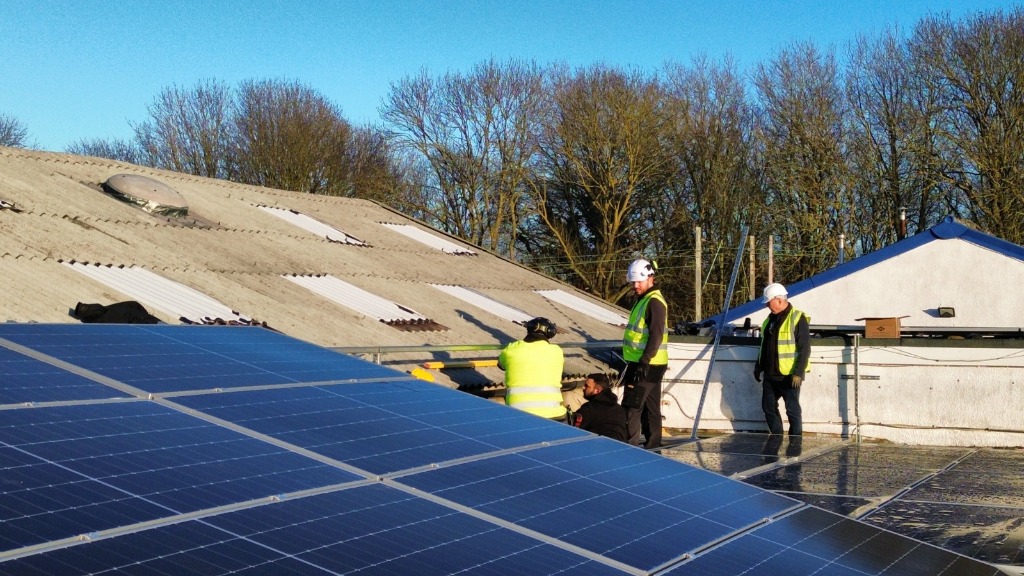
The renewable energy market increasingly demands electricians who can install complete home energy systems — solar PV, battery storage, and EV charging together. LTS offers combination packages that save money:
The Full Renewables Triple covers all three green skills qualifications in a single week, saving £358 compared to booking each course separately. For more on solar PV training, see our solar panel installation guide.
Earning Potential as an EV Installer
EV charger installation adds a premium to your standard electrician rates:
Domestic installation (typical home charger): £150–£300 per installation on top of the charger unit cost
Commercial installations (workplace or multi-unit): Higher fees depending on scale and complexity
Self-employed day rate premium: EV-qualified electricians can command £50–£100 per day above standard rates
With domestic installations taking 3–4 hours on average, a qualified installer can complete 2–3 installations per day, making this a highly efficient specialism.
Worked Example: 12-Month Earnings After 2921
To put the numbers in context, consider an established self-employed electrician adding 2921 to their service offering. Take three realistic patterns:
Workload pattern
Installs / week
Avg fee
Annual EV revenue\*
Plus base day-rate work
Side specialism (1 day/week)
2
£225
~£21,600 (48 wks)
~£60,000
Half-time EV / half domestic
5
£225
~£54,000 (48 wks)
~£35,000
EV-led business
8–10
£225
~£86,400–£108,000
optional
\*EV revenue is fee per install × installs × 48 working weeks. Materials markup, OZEV grant claim payments, and warranty/repeat work are on top of the figures shown.
The 2921 course (£449) typically pays for itself inside the first two installations, which is why most self-employed electricians treat it as an obvious add-on rather than a discretionary spend. Specialist commercial work (multi-bay workplace sites, fleet depots, hospitality car parks) sits well above the domestic per-install rates and is the natural progression after 12–18 months of domestic installs.
What Drives the Day-Rate Premium
Three things justify the £50–£100/day uplift over a standard electrician rate:
Scarcity — under 30,000 OZEV-approved installers in the UK as of 2026 vs ~300,000 EV chargepoints needed by 2030.
Compliance burden — OZEV/WCS grant paperwork, smart-charger commissioning to OCPP, and PME/TT earthing decisions raise the bar above generic domestic work.
Repeat ecosystem — EV customers commonly upgrade to solar PV and battery storage within 12–24 months, giving you a warm path to the rest of the Renewable Triple Combo revenue.
Already a qualified electrician? Stack the renewables. The Renewable Triple Combo covers EV (2921), solar PV (2922) and battery storage (2923) in one week and saves £358 vs booking individually — opening up the full home-energy-system market, not just chargepoints.
Common Mistakes to Avoid on Your First EV Installs
The 2921 course teaches the regulatory side, but the practical pitfalls that catch out new EV installers are not always in the syllabus. Watch for:
Underestimating the supply assessment — many older domestic boards have no spare capacity for a 7kW charger without a service upgrade. Always check the main fuse rating and incomer cable size before quoting.
Wrong earthing arrangement — outdoor EV charge points on PME systems require either an open-PEN protection device or a dedicated TT earth rod. Getting this wrong is the most common reason for failed inspections.
Smart charger settings left at default — under the Electric Vehicles (Smart Charge Points) Regulations 2021, chargers must be configured to default to off-peak charging windows. Leaving the factory defaults can fail grant compliance.
Skipping the OZEV claim window — grant submissions have a strict timeline after install. Submitting late means the customer cannot claim and may dispute the invoice.
No load management on multiple-bay sites — workplace installations with two or more chargers usually need DLM (dynamic load management). Sizing the supply for full simultaneous load is rarely cost-effective.
Most of these are covered briefly during the LTS 2921 course, but the deeper troubleshooting comes from your first 5–10 real installs. A consultation with one of our instructors after qualification is included for any LTS graduate.
How to Get Started
Check your prerequisites — ensure you hold Level 3 + current 18th Edition
Book the 2921 course — two days at LTS, £449 total price
Register with a competent person scheme — NICEIC or NAPIT registration allows you to self-certify EV installations
Register as an OZEV-approved installer — this enables your customers to claim the EV chargepoint grant (flats/rentals) or Workplace Charging Scheme (WCS) for businesses
Market your new specialism — update your online presence and inform existing clients
Next Steps
If you are a qualified electrician looking to add EV charger installation to your services, or if you are starting your electrical career and want to plan the full pathway, book a free consultation with an LTS course advisor.
LTS is a City & Guilds accredited training centre in Cheshunt, Hertfordshire, close to M25 Junction 25 and 30 minutes from London Liverpool Street. The centre launched in 2021 under founder Sezai Aramaz, who brings 40+ years of UK electrical industry experience. We have trained over 1,000 students and hold a Google Maps rating of 4.8/5 from real student reviews. Call us on 01992 413 503 or email info@learntradeskills.co.uk.
Plan your electrician route
Keep the article helpful, then take the next step when you are ready.
Frequently Asked Questions
You need the City & Guilds 2921 EV Charging Equipment Installation qualification. Prerequisites include a Level 3 electrical qualification and a current 18th Edition certificate (BS 7671). The 2921 is the OZEV-recognised qualification required for grant-funded installations.
The City & Guilds 2921 course at LTS takes two consecutive days and has a total price of £449. It covers domestic, workplace and commercial chargepoint installation, testing, and commissioning to BS 7671 and the IET Code of Practice for Electric Vehicle Charging Equipment Installation, 5th Edition (2023).
Yes. EV charger installation requires a Level 3 electrical qualification and 18th Edition certificate as prerequisites. You cannot take the 2921 course without these. Under BS 7671 and Part P of the Building Regulations, EV charge point installation in domestic properties must also be carried out by a qualified electrician and notified to building control.
A typical home EV charger installation costs £800-£1,200 depending on the unit chosen, the cable run, and whether a consumer unit upgrade is needed. The OZEV EV chargepoint grant offers a discount for eligible flats and rental properties, and the Workplace Charging Scheme (WCS) covers business installations — both require an OZEV-approved installer holding the 2921 qualification.
The current OZEV schemes are: (1) the EV chargepoint grant for owner-occupier flats and people in rental accommodation (replaced the EVHS in 2022 — owner-occupiers of single-family homes are no longer eligible), and (2) the Workplace Charging Scheme (WCS) for businesses, charities and public sector organisations. To claim either, the work must be done by an OZEV-approved installer who holds the City & Guilds 2921 qualification.
EV charger installers typically charge £150-£300 per domestic installation on top of the charger unit cost, and self-employed EV-qualified electricians can command £50-£100 per day above standard rates. With the UK targeting 300,000+ public chargepoints by 2030 and the 2030 ban on new petrol/diesel cars, demand is growing rapidly.
Yes — most installers stack the renewables qualifications because the same customers usually want a complete home energy system. The City & Guilds 2922 (solar PV) and 2923 (battery storage) sit alongside 2921 (EV charging), and the LTS Renewable Triple Combo bundles all three to save £358 versus booking individually.
Find your pathway
Which route fits where you are right now?
Pick the pathway that matches your experience, or take the 60-sec quiz for a personalised recommendation.