
Left the office, joined the trade. Seven weeks in Cheshunt, first paid job the following Monday. The instructors actually know what they're talking about.
MR
Michael R.
Domestic Installer Package · 2024
Industry-leading electrical training for career changers, aspiring electricians, and experienced professionals. City & Guilds and EAL accredited, with a Gold Card pathway that takes you from first wire to Gold Card registered — all under one roof in Hertfordshire.

 Real workshop training in Cheshunt
Answer one question and we'll recommend the course that fits where you are today.
Wherever you're starting, there's a structured path through the trade. Built around real qualifications, real workshop time, and real outcomes.
Foundation electrical, Part P and 18th Edition — a complete start from zero.
View beginner pathwayLevel 2 Diploma, Inspection & Testing and specialist add-ons to level up.
View improver pathwayCompetency qualification and AM2 preparation guidance toward ECS eligibility; AM2 assessment is booked separately.
View experienced pathwayBespoke team bookings, on-site assessments and bulk enrolments.
View corporate pathwayBrowse the routes students choose most often, from first qualification to specialist add-ons.
 Most popular
Technical training and workplace-assessment support toward ECS eligibility. Route review required; external assessment separate.
 Beginner friendly
Core practical electrical training for learners starting their route into the trade.
 Regulations
The industry requirement for understanding and applying the current wiring regulations.
 Growth skill
Install and certify EV charging points with hands-on workshop training.
 Portfolio
On-site assessment route for working electricians formalising competence.
 Practical start
A practical starter course for safe domestic electrical work and confidence with tools.
Everything you need — six qualifications, one timetable, one assessor.
Compare your budget with the Gold Card package price, then talk through the right route and booking options with an advisor.
Compare your budget with the Gold Card package price.
Your experience, qualifications and workplace access determine the route you need. An advisor will confirm suitability and the full costs before you enrol.
View the Gold Card package →Over 1,000 students have trained with us. Here's what a few of them have to say.
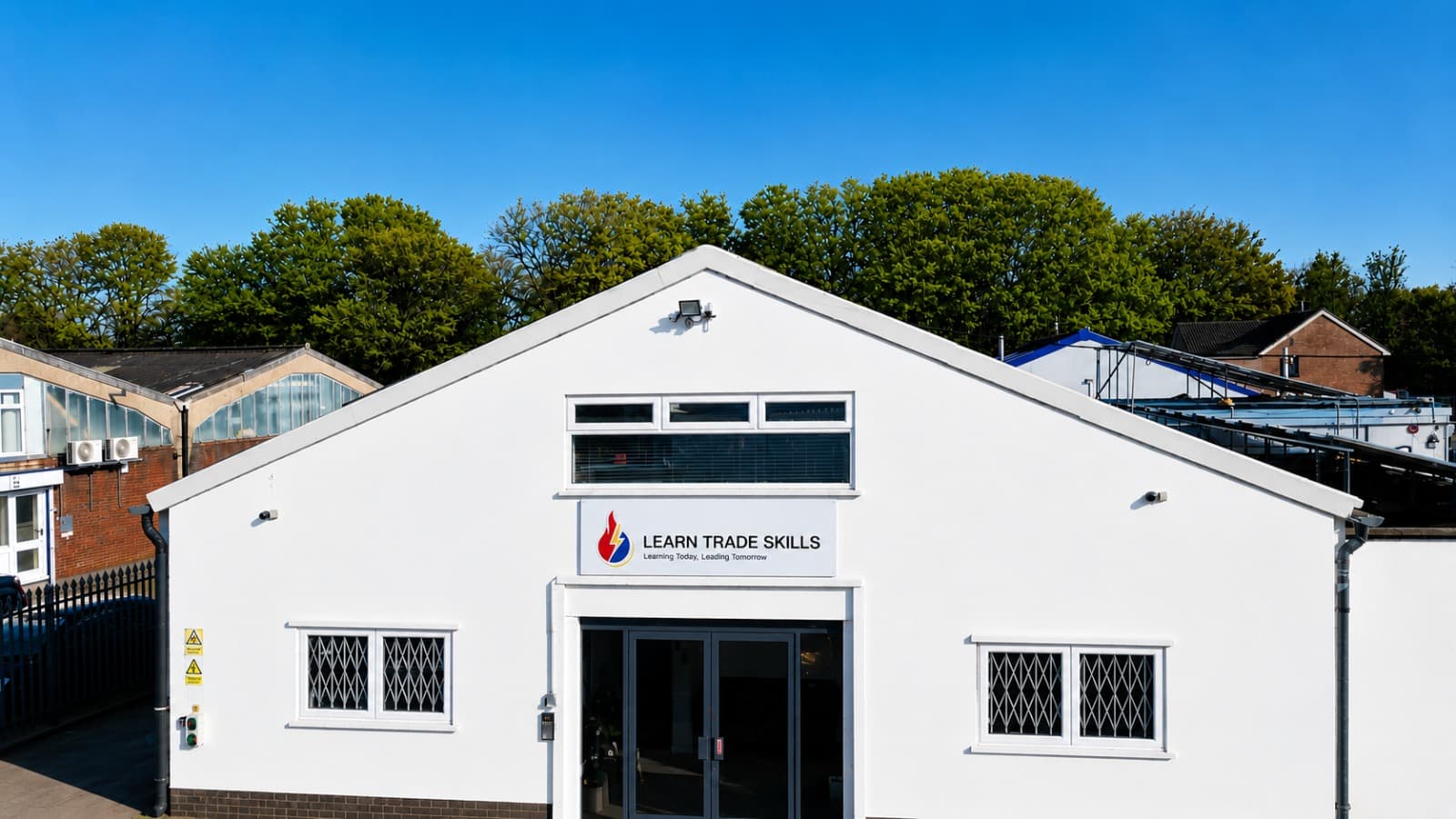
Book a free 45-minute consultation to walk the classrooms and meet the instructors.
We run small-group intakes every two weeks. Book a free consultation and we'll map the shortest route from where you are today to a Gold Card in your wallet.