The 17th Edition (BS 7671:2008 + A3:2015) focused on core electrical safety and introduced requirements like RCD protection for many circuits and basic surge protection guidance, but it didn’t fully address modern technologies. The 18th Edition (BS 7671:2018 + Amendments 1–3) built on this by expanding RCD protection, making surge protection devices (SPDs) a default requirement, introducing arc fault detection devices (AFDDs) for fire prevention, mandating fire-resistant cable supports throughout installations, adding energy efficiency guidance, and including Chapter 82 for prosumer systems like solar PV and battery storage. Amendment 3 (2024) further clarified rules for uni- and bi-directional protective devices, and Amendment 4 is expected in 2026 to refine renewable, EV, and digital integration requirements — making the 18th Edition more aligned with today’s safety, sustainability, and technology demands.
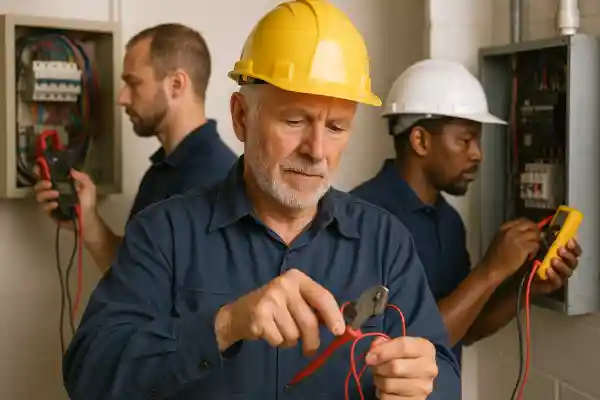
After four decades on the tools and over 20 years teaching electrical trainees, I can tell you one thing for certain—every sparkie learns more from their mistakes than their wins. I’ve trained hundreds of learners over the years, and the same electrician training mistakes keep popping up, no matter how good the theory work is.
Whether it’s a missed voltage test or wiring cut too short, these errors aren’t just small hiccups—they can cause safety hazards, cost you time and materials, and slow down your journey to becoming fully qualified. But here’s the good news: you don’t need to make the mistake yourself to learn from it.
In this article, I’ll walk you through the 10 most common trainee electrician errors I see week-in, week-out. I’ll share real examples from the workshop floor, what can go wrong, and—more importantly—exactly how I train my learners to avoid them. If you’re serious about progressing through your electrical course smoothly and safely, read on.
Choosing the right path to become a qualified electrician in the UK can be a life-changing decision. I’m Tolga Aramaz—CEO of Learn Trade Skills, WireNow, and Learn Trade Skills Consultancy CIC—and I’ve worked with thousands of aspiring electricians from all walks of life. Whether you’re fresh out of school or college, stuck in a job that no longer motivates you, or already working in the construction trade without official qualifications, the choice between an apprenticeship and a fast-track course can shape your future.
While traditional apprenticeships offer structured learning over several years, they’re not always practical for adults with responsibilities or those who want to start earning quickly. That’s where fast-track electrician training comes in. At Learn Trade Skills, we specialise in helping people qualify faster, start working sooner, and take control of their careers—without waiting four years to get there.
In this guide, I’ll break down both routes, highlighting the pros and cons of each—so you can choose the best path based on your goals, lifestyle, and ambitions.
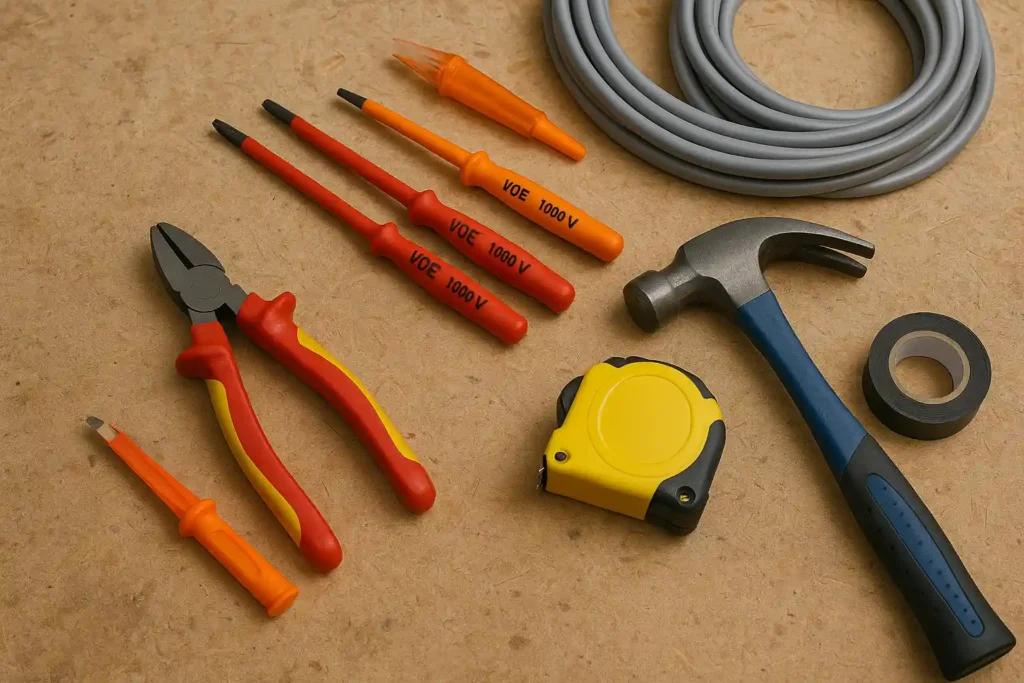
Starting your journey as an electrician means more than just enrolling in a course—it means preparing yourself with the right tools for the job. Having the correct equipment at your fingertips not only makes your work safer but also more efficient and professional. Whether you’re a new trainee at Learn Trade Skills or someone brushing up on the trade, this guide will walk you through the essential tools every aspiring electrician should own.
From insulated screwdrivers to advanced testing equipment, I’ve curated this list based on over four decades of real-world experience and classroom instruction. Each tool listed below is tried, tested, and trusted—plus I’ve included Amazon links to make your setup easy and hassle-free.
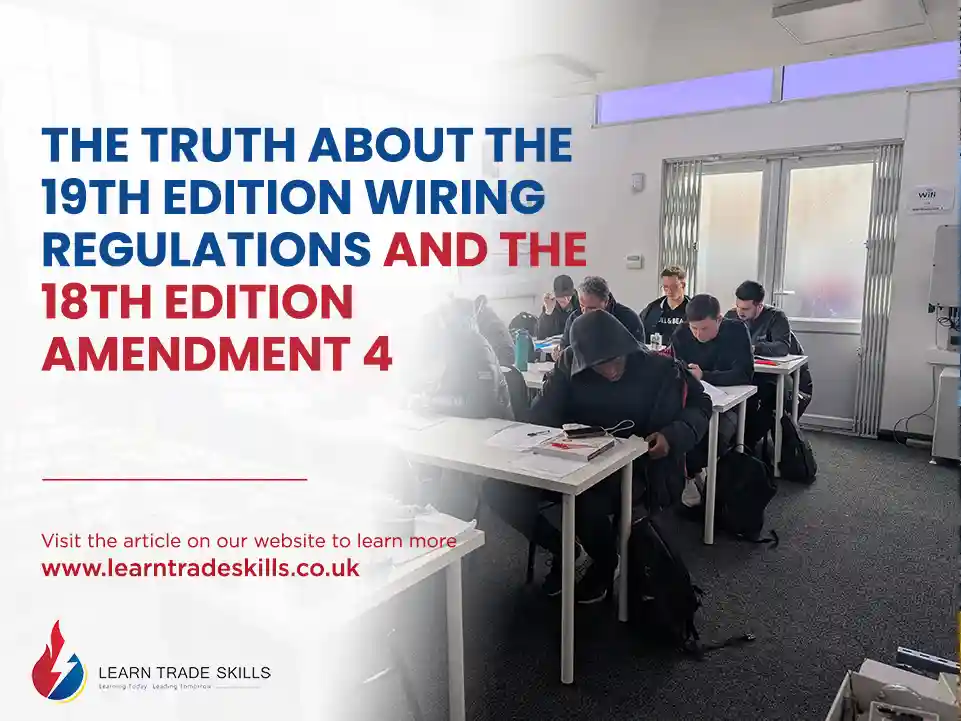
At Learn Trade Skills, we understand how vital it is for both aspiring and experienced electricians to stay informed about the latest regulatory changes. With discussions around the 19th Edition Wiring Regulations and the 18th Edition Amendment 4 gaining traction, we’ve noticed growing confusion—especially concerning release timelines and qualification requirements. This article, presented by our Director Tolga Aramaz, aims to dispel myths, clarify facts, and provide clear guidance on what’s changing, what’s staying the same, and how you can best prepare to remain compliant and confident in your electrical career.
In my role as Director at Learn Trade Skills (LTS), I often find myself answering crucial questions regarding industry standards and upcoming regulatory changes. Lately, I’ve observed increasing confusion and misinformation about the 19th Edition Wiring Regulations and Amendment 4 of the 18th Edition. Given the importance of accurate information, I want to address these misunderstandings clearly and authoritatively, ensuring our learners and professionals remain well-informed and prepared.
At Learn Trade Skills, we don’t just teach you how to wire up a panel or fit a detector — we train you to understand the why behind every decision, from risk assessment to compliance with British Standards like BS 5839-1 and BS 5839-6. Fire alarm systems save lives, and as an installer or designer, you play a crucial role in making buildings safer.
Whether you’re an experienced electrician looking to upskill, or you’re stepping into the world of fire detection for the first time, our fire alarm installation courses are designed to give you the confidence, competence, and certification needed to progress in this specialist area.
In this guide, I’ll walk you through everything you need to know about our fire alarm training options — what’s covered, who they’re for, what the qualifications mean for your career, and how you can get started. Let’s get into it.
The 18th Edition Wiring Regulations refer to BS 7671:2018, which is the national standard for electrical installations in the UK. These regulations are produced by the IET (Institution of Engineering and Technology) and published by the British Standards Institution (BSI).
Although BS 7671 is not statutory law, it is widely recognised as the standard that ensures compliance with several legal requirements, including the Electricity at Work Regulations 1989. Following the 18th Edition is the best way to ensure safety, legal compliance, and professional credibility.
Are you considering a career as an electrician but feeling overwhelmed by the number of courses and qualifications available? You’re not alone. In this comprehensive guide, Paul, an industry veteran and lecturer at Learn Trade Skills, simplifies the journey for you. He’ll clearly outline the essential courses required, explain the value of each certification, and provide insights into how these qualifications can open doors to excellent job opportunities across the UK. Whether you’re starting fresh or looking to upgrade your skills, this article will help you confidently navigate your path toward becoming a fully qualified electrician.
Electrical safety is crucial in preventing electric shocks, fires, and other hazards. Proper protective measures ensure safety in homes, industries, and commercial buildings. This guide explores key electrical protective measures, including automatic disconnection, insulation, electrical separation, and extra-low voltage (ELV) systems.
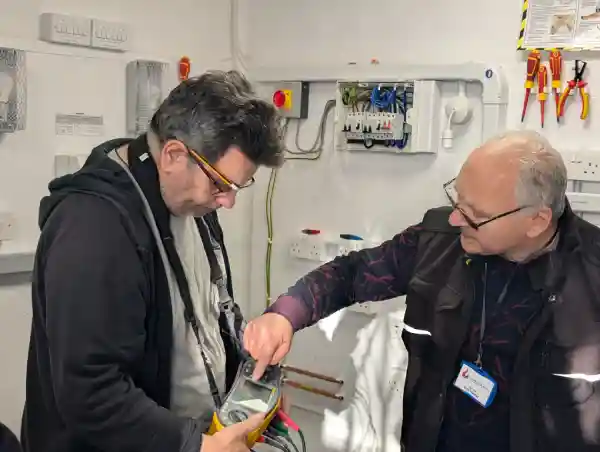
The City & Guilds 2391-52 Level 3 Award in Initial and Periodic Inspection and Testing of Electrical Installations is one of the most essential qualifications for electricians looking to advance in their careers.
Whether you’re a qualified electrician seeking to enhance your skills, improve your earning potential, or comply with UK regulations, the inspection and testing course is a must-have. In this guide, I will walk you through why this qualification matters, how to prepare for it, what to expect in the exam, and how to apply your knowledge in real-world electrical inspection and testing.
“Lorem ipsum dolor sit amet, consectetur adipiscing elit. Ut pretium tristique purus nec consectetur. Nulla feugiat eget tellus aliquam scelerisque. Sed eget luctus enim, sed mattis enim. Lorem ipsum dolor sit amet, consectetur adipiscing elit. Ut pretium tristique purus nec consectetur. Nulla feugiat eget tellus aliquam scelerisque. Sed eget luctus enim, sed mattis enim.Nulla feugiat eget tellus aliquam scelerisque. Sed eget luctus enim, sed mattis enim. Lorem ipsum dolor sit amet, consectetur adipiscing elit. Ut pretium tristique purus nec consectetur. Nulla feugiat eget tellus aliquam scelerisque. Sed eget luctus enim, sed mattis enim.”